How Vareger Runs AI-Native Delivery and Measures the Result
Vareger uses written acceptance tests, separated agent permissions, human gates and measured outcomes. Here is the proposed delivery frame, measurement method and evidence boundary.
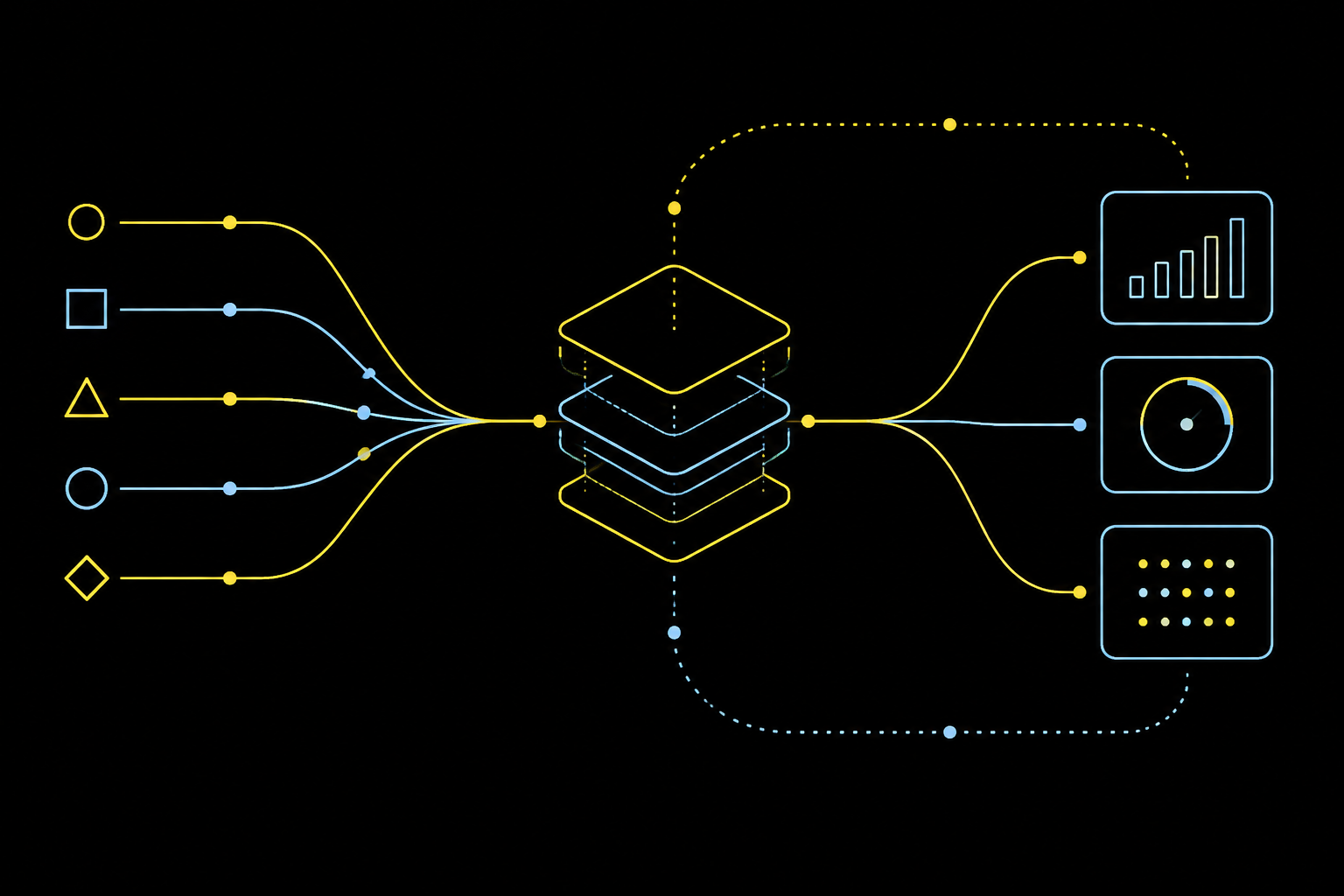
Draft for Oleg’s approval. Vareger runs AI-native delivery by defining acceptance before implementation, assigning agents separated permissions, requiring human sign-off at readiness gates and checking the definition of done by machine. We measure a specified outcome against a recorded baseline, including the method, sample size and limits.
The delivery system
The Vareger Delivery System is the platform behind every engagement. It is not sold separately. Every milestone has acceptance tests agreed before work starts. Agent roles have separated permissions, and readiness gates require human sign-off. Rules are updated after retrospectives, while cost is measured per deliverable.
The operating flow is:
- Write the scope, exclusions and acceptance tests.
- Assign work to people and agents with bounded permissions.
- Check outputs against the definition of done.
- Require human approval at the agreed gates.
- Measure the selected outcome and record its limits.
- Hand over the accepted deliverables and supporting material.
For payment or agent projects, the control layer adds a written mandate, spending limits, human approval above those limits and an auditable action log covering inputs, sources, steps and results.
Proposed scope and measurement
A proposed implementation frame, subject to scoping, is a discovery call followed by a written scope with acceptance tests and one measured outcome. Work is then divided into milestones across one quarter, followed by measurement and handover. This is a planning model, not a promised schedule or an existing client test set.
| Measurement field | What must be recorded |
|---|---|
| Method | How the outcome is calculated and which data is included. |
| Baseline | The pre-change value measured using the same method. |
| Result | The post-change value, without substituting estimates. |
| Sample size | The number of cases, deliverables or transactions observed. |
| Limits | Excluded cases, data gaps and conditions that affect comparison. |
The outcome, data source, observation window and acceptable limits are unknown until scoping. They should not be inferred from another engagement.
Failure modes we check first
- Acceptance tests describe activity rather than an accepted result.
- The baseline and result use different populations or methods.
- An agent has broader permissions than its written mandate.
- A human gate exists on paper but not in the execution path.
- A small or biased sample is presented without its limits.
More detail on the engagement model is available in how we deliver.
Delivered evidence boundary
Supplied delivery evidence includes an accepted first phase of a bank digital-asset design and live transactions through a national payment network. These records establish delivered engineering work, but they do not provide a quantified AI-native delivery improvement. No such result should be claimed until a baseline, sample and measured result have been approved.
Writes for Vareger.
More about the Vareger Group team